Comprehending Peptide Pureness Screening
Air Conditioning Peptide Testing Labs Third-party Peptide Evaluation
If you've ever browsed a peptide brochure, you have actually seen purity numbers almost everywhere. These numbers get thrown around so frequently that it's simple to gloss over them-- simply another spec on a product page. Chameleon Peptides offers study substances specifically for research laboratory and logical purposes. All PRG items are intended exclusively for in vitro research study or more production usage. Using a highly purified peptide minimizes these threats and enhances the reliability of your information.
Keeping a high level of purity is important since pollutants can impact bioassays or responses. As an example, trimmed peptides or chemically customized side-products may bind to targets or generate negative effects that confuse your outcomes. Particularly changed peptides or cyclic peptide sequences are difficult to confirm, which influences quality assurance. We integrate LC-MS/MS and chemical digestion evaluation to exactly validate the series and alteration websites of non-natural changed peptides. Recurring natural solvents, steel ions, or spin-offs from synthesis may create harmful negative effects.Stability Contrasts
" Mass spectrometry responses "is the spotted substance regular with the designated peptide identity? " Together they provide more powerful batch-level proof than either technique alone. In the usual peptide COA context, height pureness typically describes the portion of overall chromatogram area represented by the major peptide peak.
Compounds
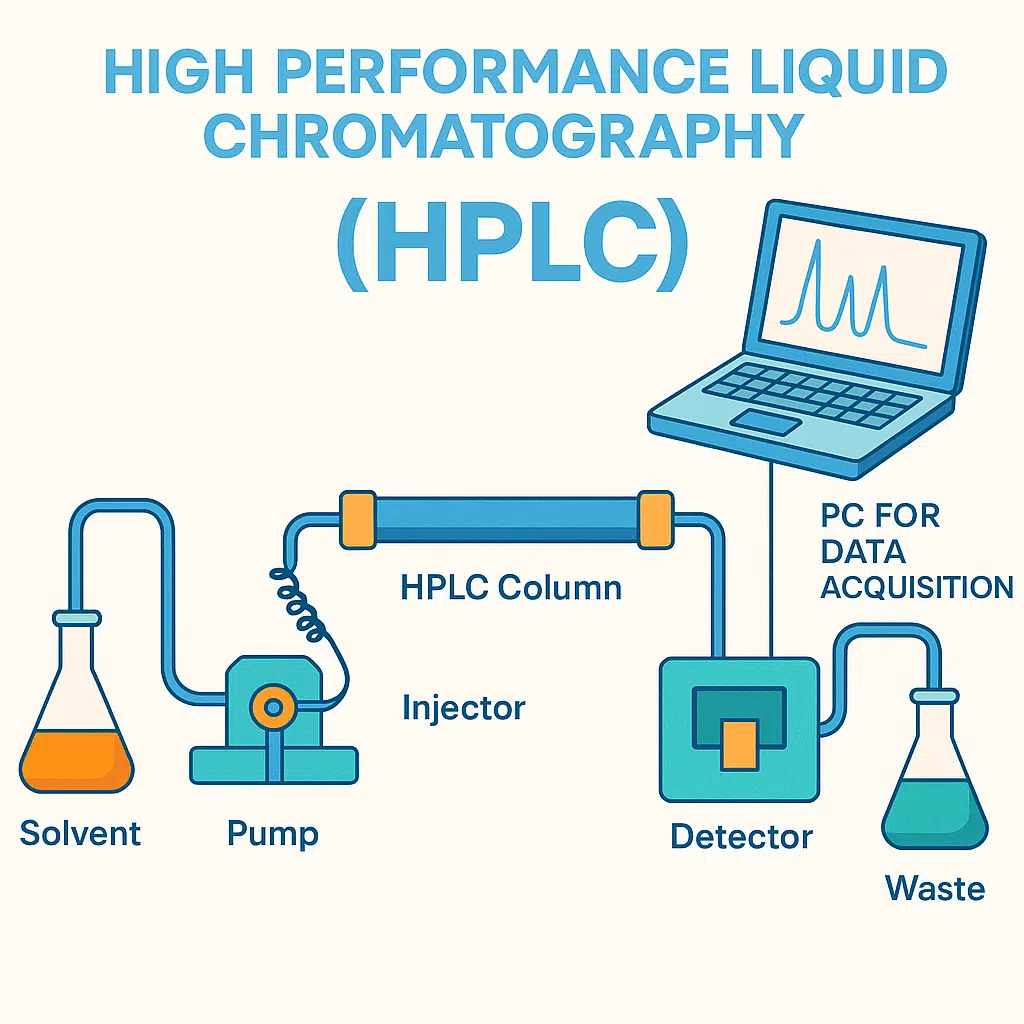
The quality and dependability of a peptide pureness measurement depend upon method criteria and paperwork high quality. The mobile stage, often a blend of water, acetonitrile, and an acid modifier, is stored in reservoirs and supplied with the system by a high-pressure pump. The pump keeps specific circulation rates, typically in the series of 0.5 to 2.0 mL/min depending on the approach and column style. High pressure forces the mobile stage via tightly loaded bits inside the column, producing sharper splittings up and greater resolution than traditional low-pressure chromatography.In straightforward terms, a peptide provided as 95% pure is composed primarily of the target peptide (95%), with the staying ~ 5% composed of contaminations. These impurities can consist of things like shortened or abbreviated sequences, removal versions, oxidized residues, or other minor side-products Article source from the synthesis procedure. Peptides are extensively utilized in the clinical aesthetic appeals, cosmetics, and biomedical fields because of their distinct biological task and wide application capacity. Nonetheless, the quality of peptide items straight impacts their efficiency and safety, making exact quality testing solutions essential.
- Maintaining a high degree of pureness is critical since contaminations can influence bioassays or responses.
- It is an area-percent purity dimension, not a full identity or activity test.
- The main analytical approaches for peptides consist of liquid chromatography (LC), commonly HPLC, incorporated with mass spectrometry (MS) for accurate molecular weight resolution and sequence recognition.
- Pinnacle's Exactly how to Read a Peptide COA overview walks through this process step by step.
- Equipped with this knowledge, you can confidently interpret labels like "95% pureness, research study grade" and use those peptides to drive your experiments without complication.